Nouakchott sits at the crossroads of West African migration flows, serving as both a transit and destination city for migrants and refugees moving between sub-Saharan Africa and the Maghreb. The city hosts approximately 84,000 migrants and 10,000 refugees and asylum seekers. Sebkha alone accounts for nearly 30 percent of Nouakchott’s migrant population, making it the region’s district with the highest concentration of migrants.
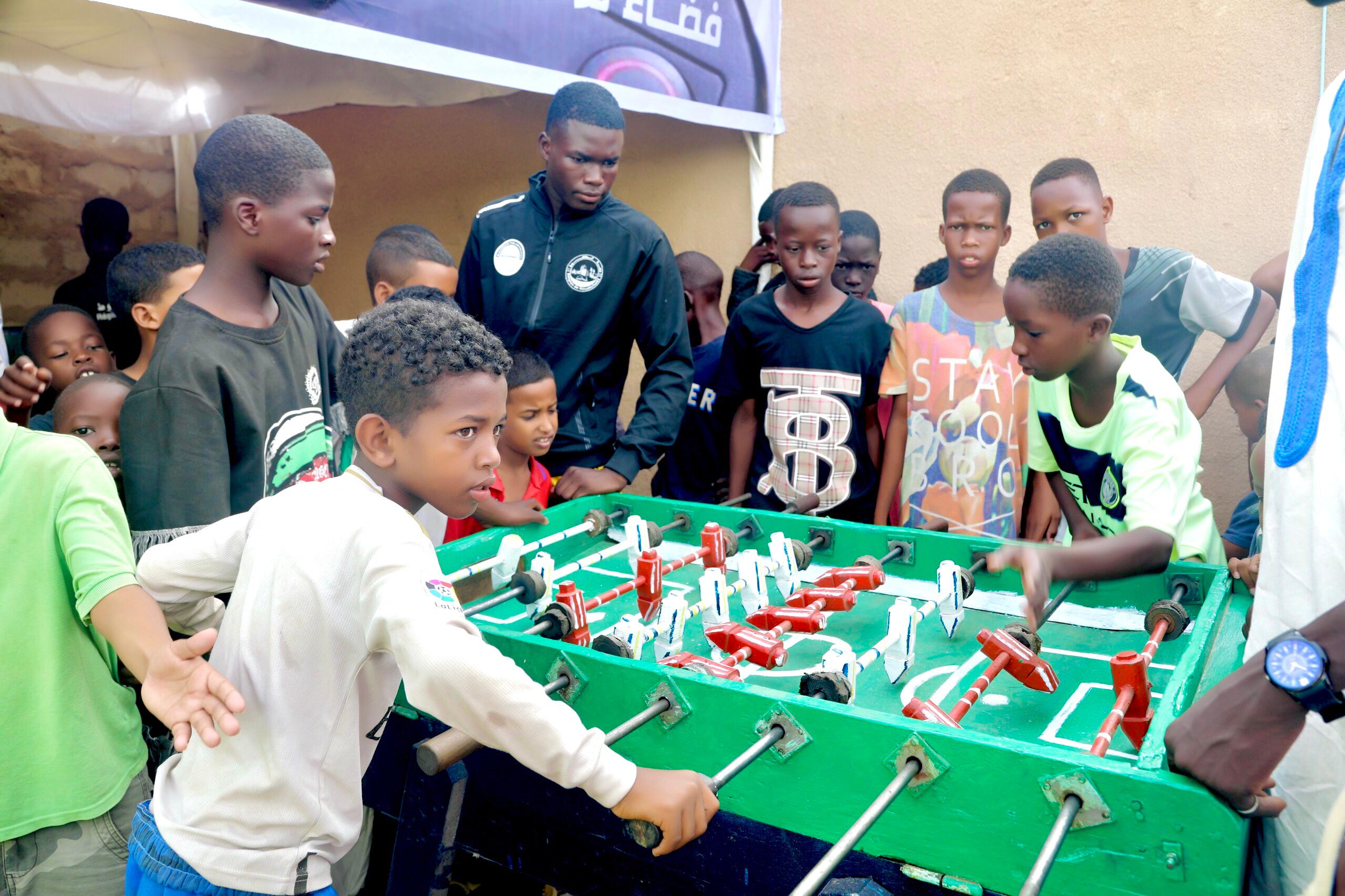
Migrants and refugees in Sebkha face multiple barriers to inclusion, including limited access to basic services, economic precarity, a lack of dedicated space for sports, and strained relationships with receiving communities. They also lack structured opportunities to apply their skills and contribute to the local economy. Women and young people are particularly affected, facing greater barriers to economic inclusion and participation in community life.
The Region of Nouakchott’s Development Plan identifies social inclusion as a cross-cutting priority and Sebkha as a priority area for community sports facilities. The Sebkha Inclusive Sports Hub will respond to these priorities by creating a permanent space, co-designed with migrants, refugees, and local residents so that all communities can come together through sport, vocational training, and access to services.