São Paulo is home to approximately 489,000 international migrants from more than 200 countries, representing around 4 percent of its population and making the city one of the leading destinations for migrants in Brazil and Latin America. Projections developed through the MMC and C40 partnership estimate that São Paulo could expect up to 600,000 additional climate-induced migrants by 2050. As migration continues to grow, the city has built a strong policy foundation for migrant inclusion, including Brazil’s first migrant assistance center, a Migrant Policy Coordinating Authority, and a Municipal Policy for the Immigrant Population.
Migration and climate challenges are increasingly intertwined in São Paulo. Low-income migrants are often concentrated in peripheral areas exposed to extreme heat and flooding, while barriers to decent work and stable income can limit their access to adequate housing and their ability to recover from climate-related shocks. Meanwhile, São Paulo’s climate action is projected to create 2 million green jobs by 2040, alongside potential labor shortages of up to 1.4 million workers across critical green sectors. This creates an opportunity to better integrate the city’s climate and migration agendas and connect migrants and refugees with emerging green employment opportunities.
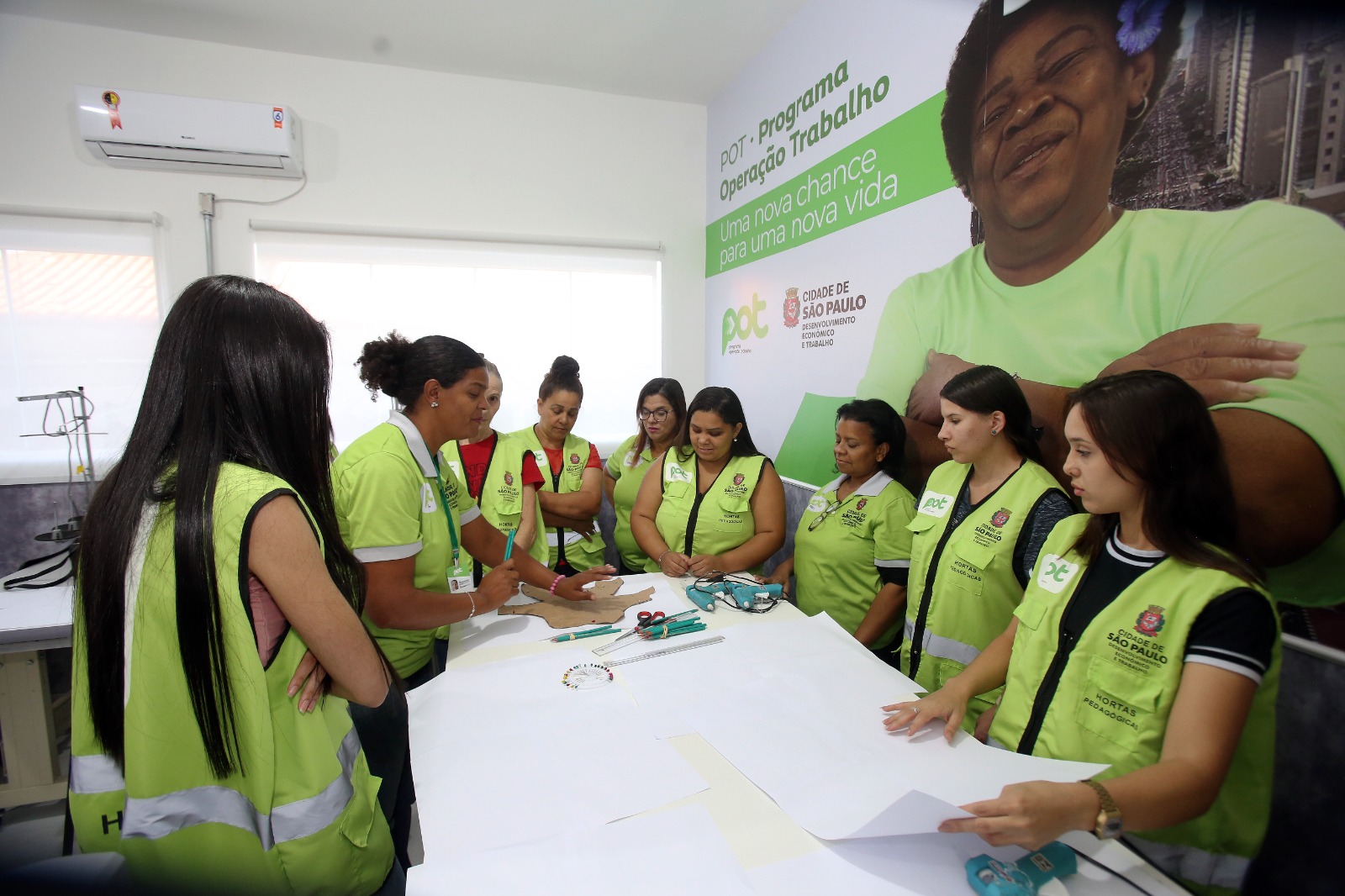
Novo Solo will build on two existing municipal programs for labor market inclusion – the Operation Work Program and Work and the Entrepreneurship Support Center – and create a dedicated track focusing on connecting migrants and refugees with training, skills development, and green employment opportunities, positioning decent work as a pathway to social inclusion, economic autonomy, and climate resilience.