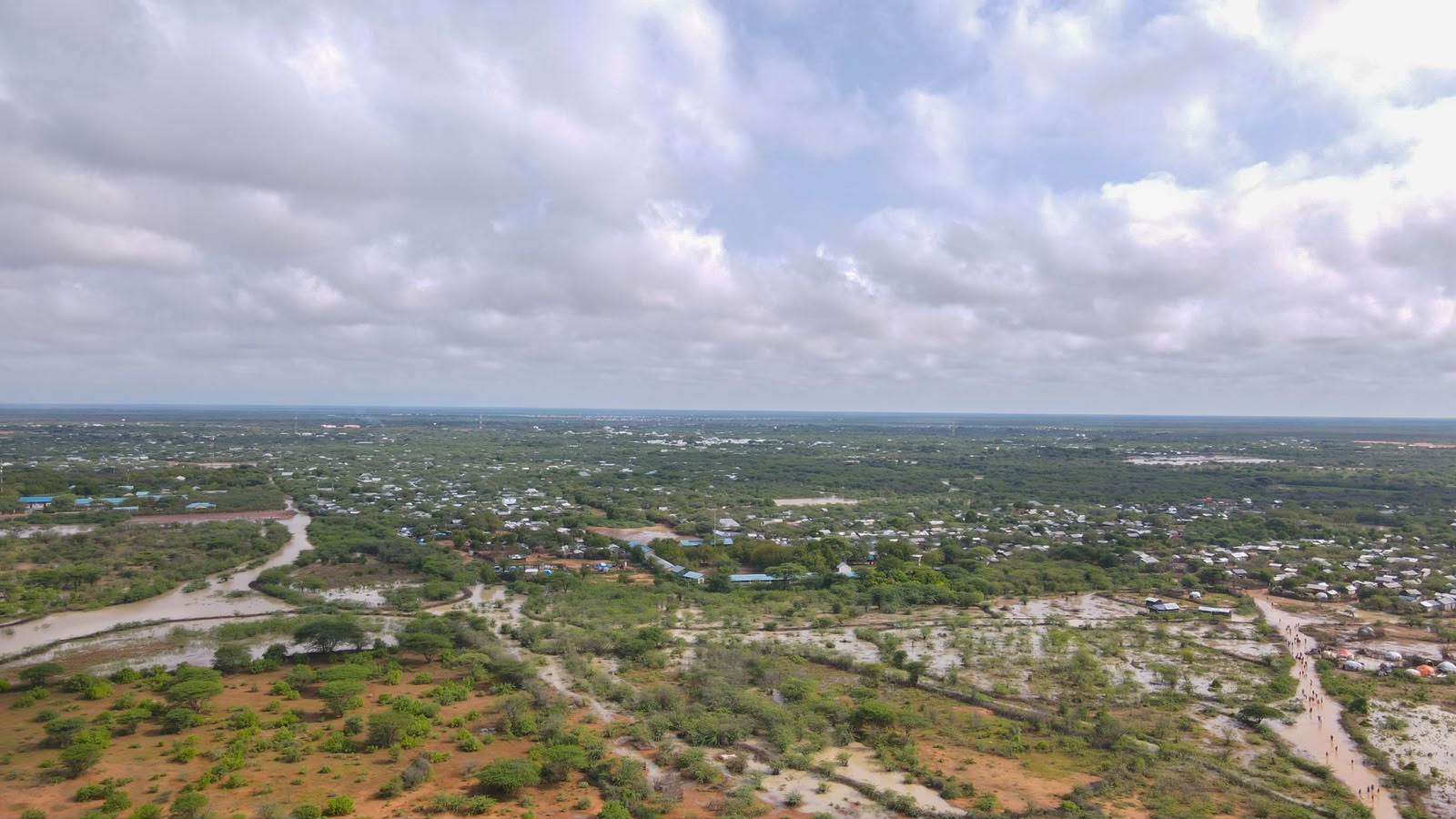
Kenya is Africa’s fifth-largest refugee-receiving country, home to 849,625 refugees and asylum seekers. Dadaab Refugee Complex is one of the country’s largest and longest-standing camps, hosting more than 432,000 refugees. Since 2023, under Kenya’s Shirika Plan, Dadaab has been transitioning from a camp toward a formal municipal structure with increasing responsibility for local development and service delivery.
Still, Dadaab’s population faces serious economic challenges, with multidimensional poverty affecting roughly 75 percent of both refugees and receiving-community members, while only 14 percent of refugees are engaged in income-generating activities. Despite a vibrant informal economy and growing entrepreneurial activity across Dadaab’s settlements, limited access to infrastructure, finance, markets, and formal economic opportunities continues to constrain sustainable livelihoods and local economic growth. At the same time, a majority of refugees are under the age of 35, representing significant human capital and entrepreneurial potential that remains largely untapped. Dadaab’s project seeks to unlock this potential by expanding pathways to entrepreneurship, employment, and sustainable livelihoods.