Local and Regional Governments Advancing the UN Migration and Refugee Compacts
DELIVERING RESULTS
This report showcases the ongoing political commitment and concrete actions cities are taking to advance the Global Compact for Migration and the Global Compact on Refugees. Since 2022, more than 80 cities and their partners have pledged to take over 120 actions that make a tangible difference in the lives of migrants and refugees. This report provides an update on the implementation and impact of these pledges, showing cities are not just promising; they are delivering and keeping the world on track to meet global goals.
In 2018, with the adoption of the Marrakech Mayors Declaration, local and regional governments (LRGs) pledged to implement the UN’s Global Compact for Safe, Orderly and Regular Migration (GCM) and the Global Compact on Refugees (GCR) in unison, as concrete pathways to achieve the Sustainable Development Goals (SDGs).
To elevate this continued political commitment, the Local Coalition for Migrants and Refugees, co-steered by United Cities and Local Governments (UCLG) and the Mayors Migration Council (MMC), in cooperation with the International Organization for Migration (IOM) and the UN Refugee Agency (UNHCR), launched a Call to Local Action for Migrants and Refugees in 2022. Acknowledged by the UN Secretary-General, the Call to Local Action offers a concrete avenue to localize the GCM and GCR and be recognized as leaders for meeting global goals.
Since its launch, this effort has mobilized 124 pledges from over 80 LRGs and their networks, each one making a tangible difference to the lives of migrants and refugees. Of these 124 pledges, over 100 were delivered to the Global Refugee Forum in 2023.
This report brings forward key results and impact stories from these pledges. It draws from desktop analysis and includes direct input and feedback from a pilot group of local and regional governments, gathered through in-depth interviews and responses to a pledge update survey. To date, 22 pledges (18% of all pledges) have joined this effort, with more coming in on a rolling basis.
Report at a Glance

Filippo Grandi, High Commissioner for Refugees, UN Refugee Agency (UNHCR)From implementing housing projects to sheltering those displaced and ensuring their access to social services, cities are creating inclusive and supportive environments for refugees and IDPs.
Impact Across Global Goals Include:
- Support for Governance & Policy Coherence
Cities are embedding inclusion into core management — for example, Arua (Uganda) integrates refugee priorities directly into its development planning. - Minimizing Drivers of Vulnerability
Cities are tackling root causes of displacement, including climate. In Amman (Jordan), a new Children’s Climate Academy and park were co-designed with refugee and host communities. - Socio-Economic Inclusion
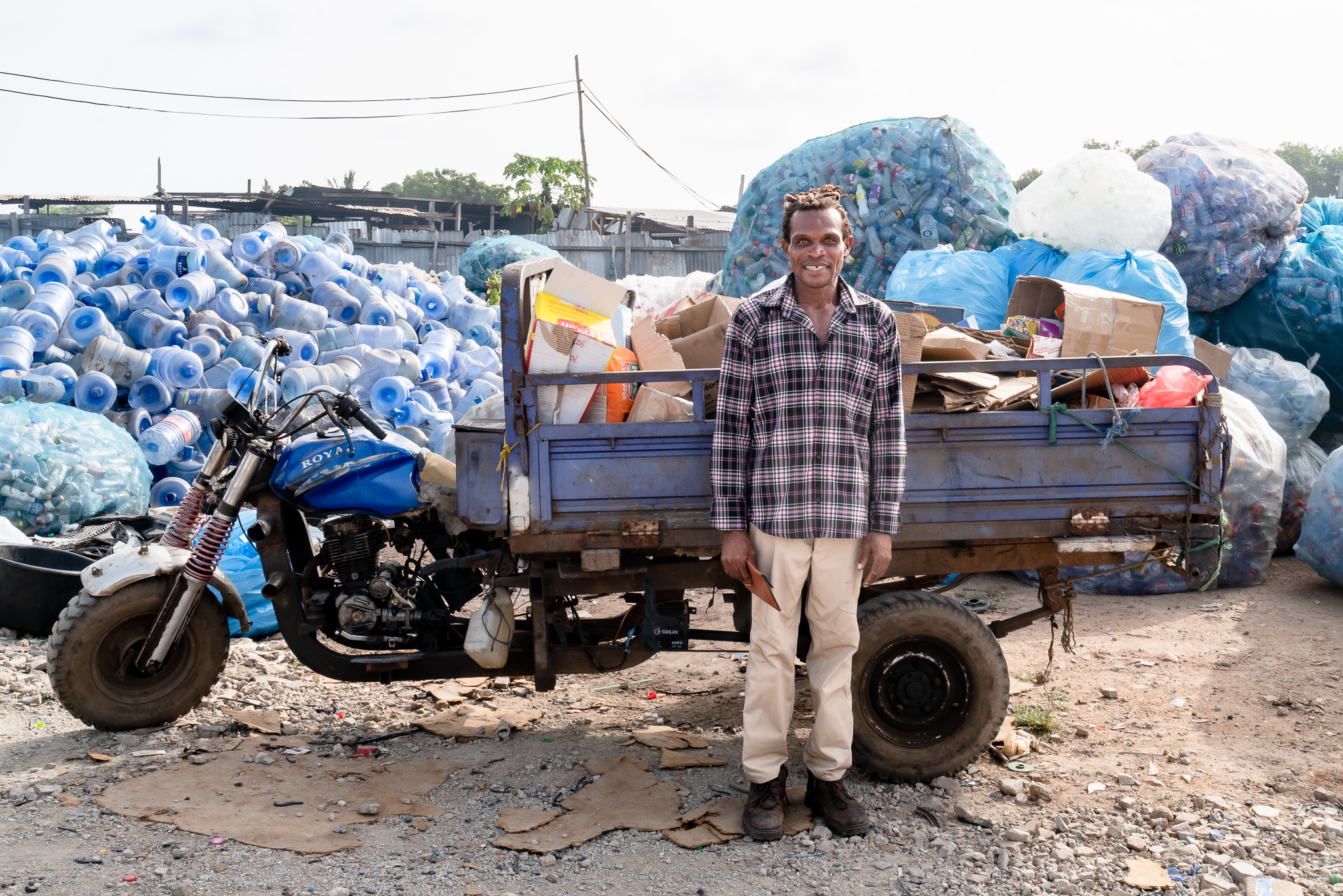
Cities are linking employment access, childcare, and skills training. In Accra (Ghana), informal waste workers were organized into cooperatives, while Dhankuta (Nepal) strengthened economic opportunities for returnees. - Reception & Community Sponsorship
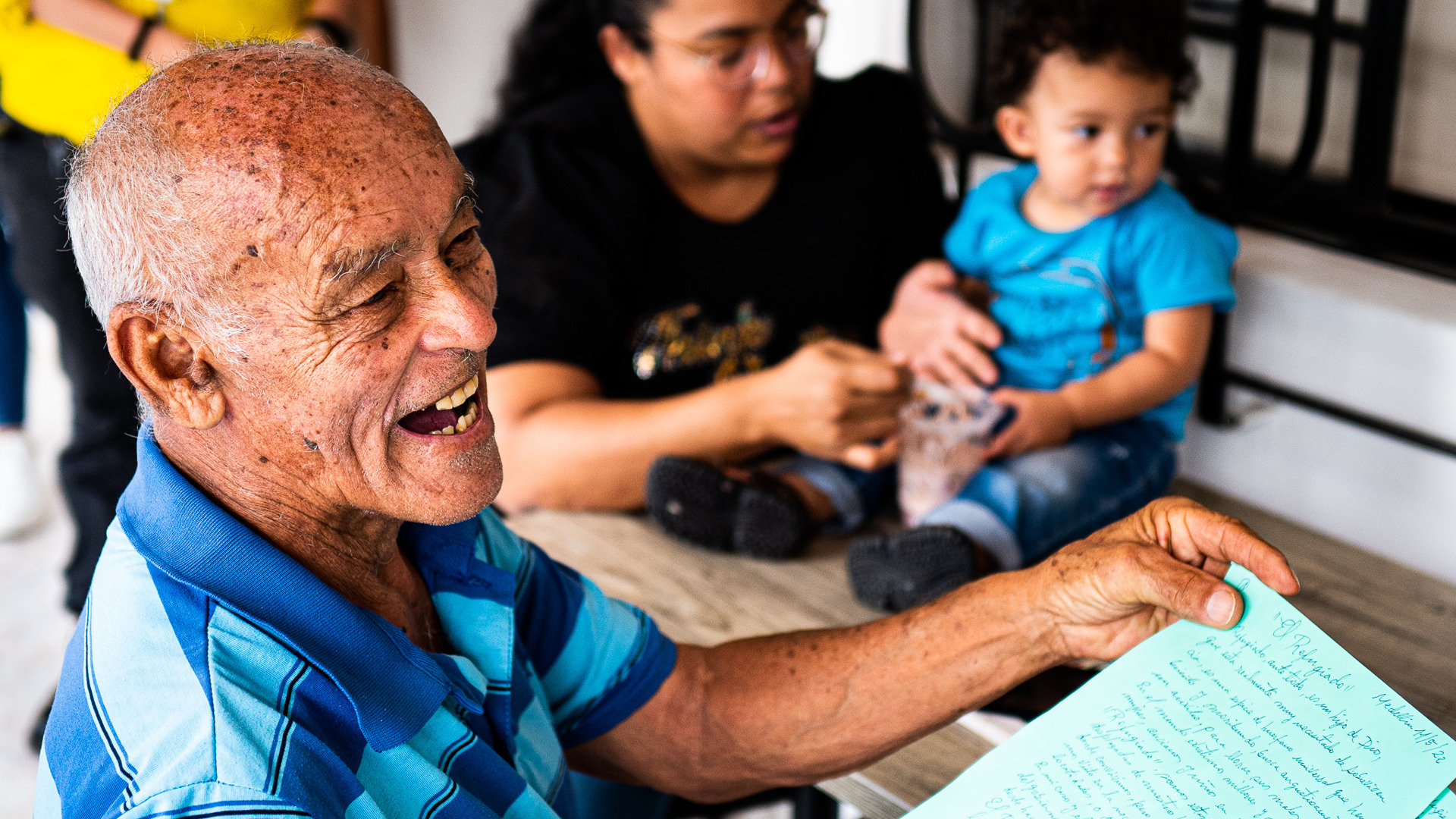
City schemes provide temporary shelter, guidance, and pathways to permanence. In Medellín (Colombia), housing assistance supported 1,250 people, with over 75% securing permanent homes.
Credit: Samer Saliba
Recommendations
- Systematically include LRGs in national policymaking to benefit from local evidence and frontline experience.
- Catalyze impact by investing directly in local solutions through flexible funding mechanisms for LRGs, enabling them to sustain and scale what already works.
- Strengthen the link between local action and global commitments by integrating localized indicators and perspectives into national reporting and pledges to the IMRF and GRF.
- Elevate local leadership in global forums by including LRG leaders in national delegations to the 2026 IMRF and 2027 GRF.
Credit: Samer Saliba
