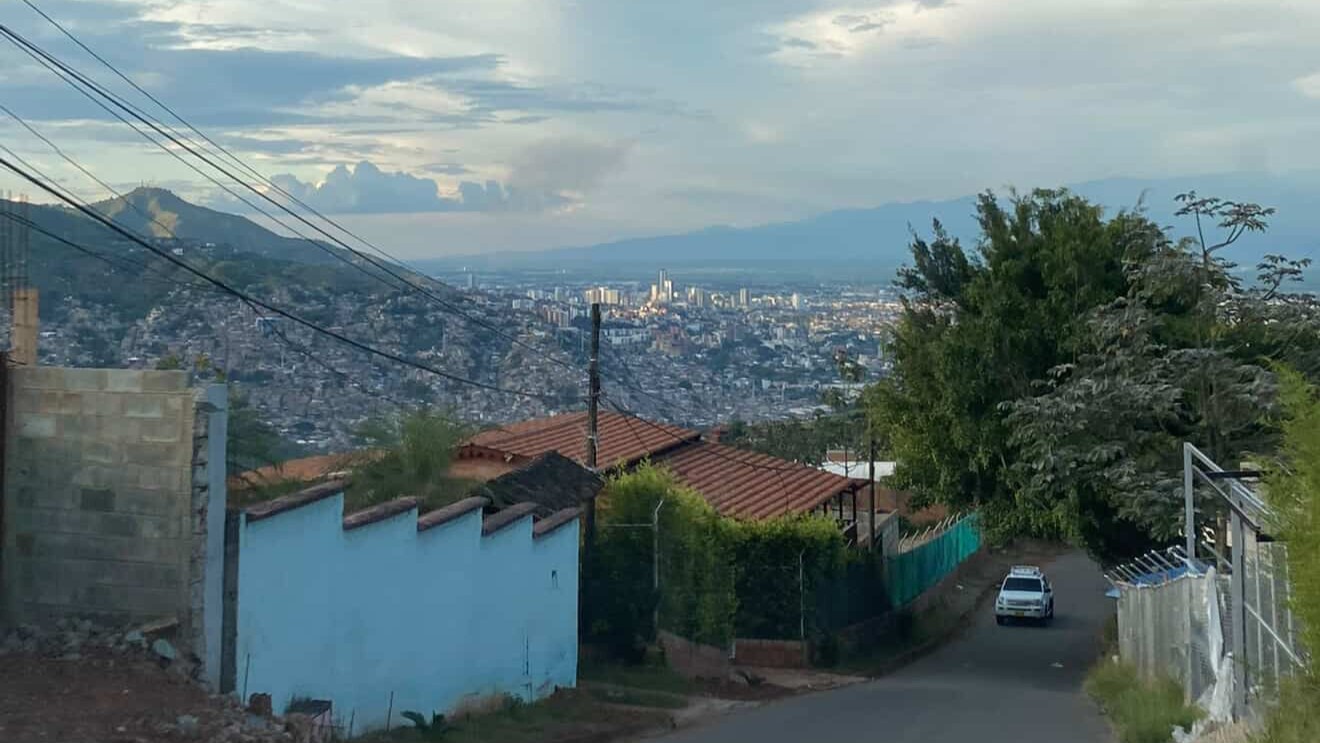
Cali is home to over 200,000 migrants and refugees, including Venezuelan migrants and internally displaced Colombians. The city confronts several barriers to promoting the economic inclusion of its displaced communities, chief among them high levels of informality, poor skills accreditation, and institutional fragmentation. More than 47% of young people in Cali work in the informal economy without access to social security and with few opportunities for upward mobility. Migrants experience an unemployment rate of around 18%, more than double that of the overall population. Further, many migrants and displaced people do not have valid certifications demonstrating their skills, experience, and education. Without these credentials, migrants struggle to secure formal employment and cannot access municipal upskilling and entrepreneurship programs. This exclusion is compounded by poor coordination between the municipal government, educational institutions, employers, and NGOs on job skills and credentialing initiatives